
Get involved in your community
Where does our food come from?
Approximately 45% of the food distributed by the University District Food Bank each year is donated through grocery rescue efforts, nonprofit partnerships, local businesses, and community donations. The remaining 55% is purchased to help ensure consistent access to nutritious, culturally familiar food.
While community food drives make up a smaller portion of our overall food supply, they play an important role in helping provide variety on our pantry shelves. Donations collected through schools, workplaces, faith communities, neighborhoods, and local groups help supplement staple items and support households across Northeast Seattle.
With a little planning, food drives can be simple, fun, and highly impactful. We’re grateful for your interest in supporting the University District Food Bank and hope the information below helps you organize a successful drive.
Advocacy Work
The work we do every day to keep our neighbors well fed is critical and lifesaving.
However, we also work hard with local, state and federal lawmakers to ensure that fewer of our neighbors need help in the first place. We can’t do it alone. In fact, your voice is often more opinion-changing than comments from those of us “in the trenches.” If ending hunger in our community is important to you, then please add your voice to our work.
Several of our partners provide both informational emails and action alerts that will let you take action with just a few clicks. Please consider signing up for one or more of these.
If you are interested in local advocacy opportunities in support of the University District Food Bank, please email our Executive Director, Joe Gruber.
Host a Food Drive
Community Food Drive
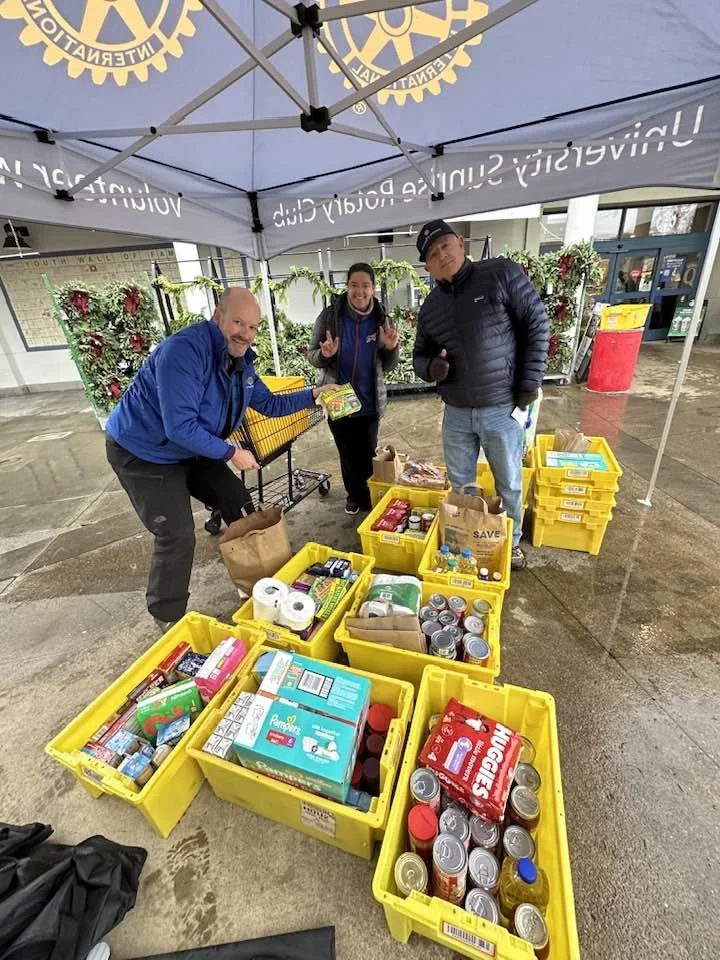
A community food drive at a local grocery store can be a great team-building exercise or group activity that will allow you to engage with your neighborhood. Do a little positive promotion of your sports team or service group and give back to the community at the same time. Win-win. It requires a little more advanced planning since you have to arrange it with the grocery store ahead of time, but it can be a great way to spend the day.
Private Food Drive
A private food drive for an event (a birthday or anniversary party, for example), or one at your office, your school, or your church can be much less intensive and is a great way to show your support. Consider hosting a drive at any point in the year, gathering non-food items like socks, baby supplies or toiletries or focusing on our Packs for Kids Program.
Food Drive Supplies
We have supplies like donation barrels, posters and shopping lists to make sure your food drive is a success and to ensure that everyone who wants to give will know how to do so with maximum benefit.
Grow Produce
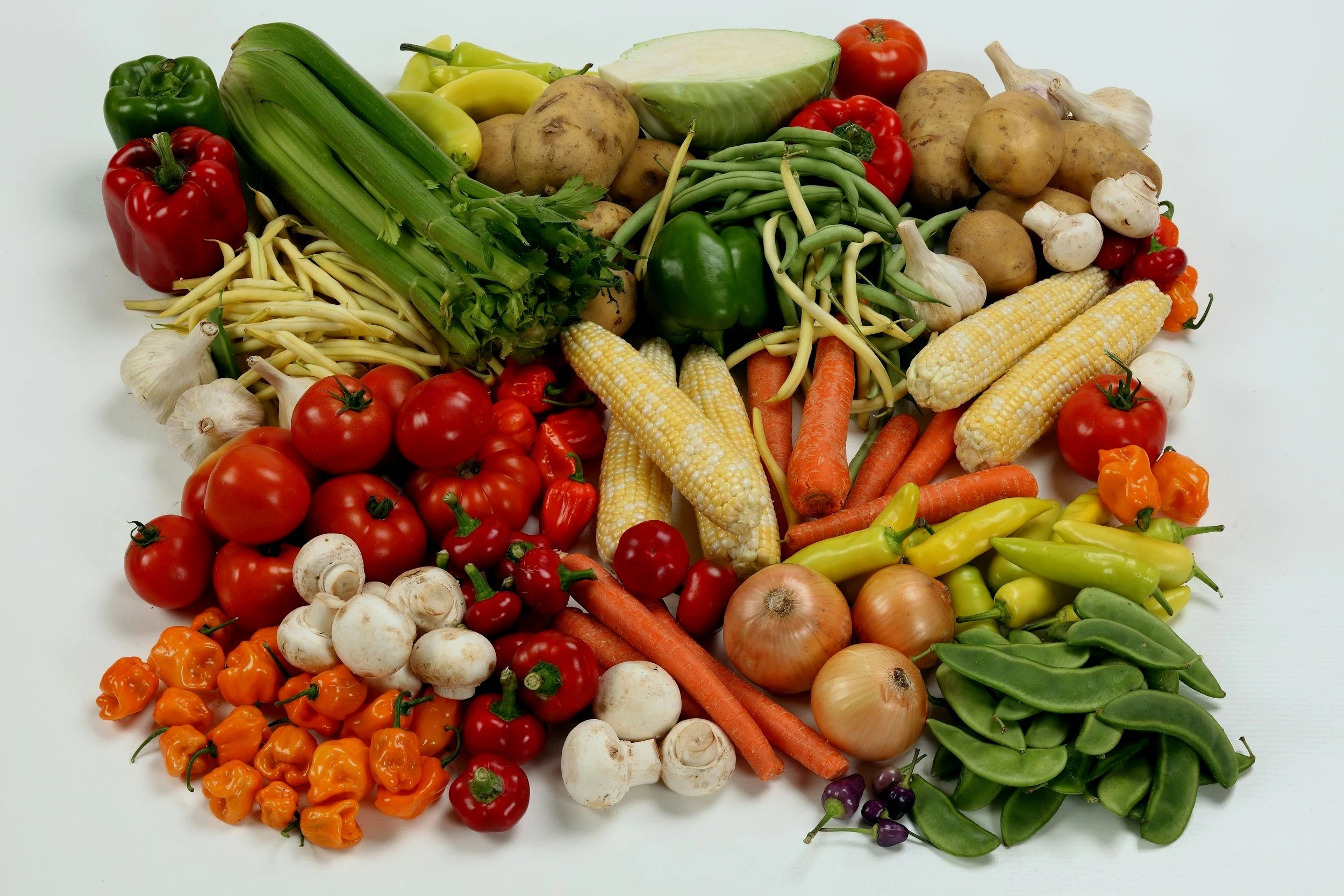
Did you know that you can donate fruits and vegetables from your garden or P-Patch to UDFB? That’s right, we’re more than just a place to donate canned goods. In fact, fresh fruits and vegetables are among the most popular foods that we offer our customers, so produce donations are especially important.
When you’ve eaten your weight in zucchinis, when the tomatoes are going to rot on the vine before you can get to them all, and when your co-workers don’t want any more of your kale, just remember UDFB. We have convenient donation drop-off hours and there’s no need to find parking.
And, next spring, when you’re planting your seeds and starts, plant an extra row for UDFB. You’ll hardly notice the little bit more you need to water and weed, but we will notice when you drop off that extra-large load of garden-fresh vegetables.